

6mm clear float glass
The Spirit Level An Essential Tool for Precision Measurement The spirit level, also known as a bubble level, is an indispensable tool used across various industries and applications to ensure accuracy and precision in construction and carpentry. This simple yet effective instrument enables users to ascertain whether a surface or line is horizontal (level) or vertical (plumb). Its design has remained relatively unchanged since its inception, proving that sometimes the simplest solutions are the most effective. History and Development The origins of the spirit level can be traced back to ancient civilizations. The earliest forms of the level were made using water-filled troughs or even simple wooden beams aligned with the horizon. However, the modern spirit level, featuring the famous glass tubes filled with liquid and a gas bubble, began to take shape in the 17th century. The design of the level is credited to mathematician and astronomer Henri de Levallois, and over the years, various advancements have led to increased accuracy and user-friendliness. Today, spirit levels come in various forms, including the traditional bubble level, digital levels, and laser levels. Each type offers unique benefits catering to different user needs, from professional construction workers to DIY enthusiasts. How It Works At its core, a spirit level operates based on the principle of gravity. The glass tube in a spirit level is partially filled with a colored liquid, typically alcohol or a similar fluid, which creates a bubble inside. When the tool is placed on a surface, gravity pulls the bubble toward the highest point of the tube. For a surface to be level, the bubble must sit perfectly between the marked lines on the level. If the bubble is not centered, adjustments can be made to the surface until it is correct. spirit level measuring tool Digital spirit levels take this a step further by providing readings on an LCD screen, allowing for more immediate and precise measurement. Laser levels, meanwhile, project a straight line of light along surfaces, making them ideal for larger projects. Applications in Various Fields The versatility of spirit levels makes them useful in multiple applications. In the construction industry, they are essential for ensuring walls, ceilings, cabinets, and other structures are level and plumb. This is crucial not only for aesthetics but also for structural integrity. An unlevel foundation can lead to significant issues down the line, impacting the safety and durability of a building. In woodworking, spirit levels help ensure accurate cuts and alignments, particularly when building furniture or cabinetry. Even in artistic applications, such as sculpture or installation art, maintaining a precise level can enhance the overall effect and presentation of the work. Conclusion The spirit level is more than just a basic tool; it symbolizes the importance of accuracy in both professional and personal projects. Whether one is working on a major construction site or hanging a picture frame at home, the spirit level guarantees that tasks are performed with precision and care. As technology continues to advance, the spirit level remains a staple in any toolkit, proving that a simple mechanism can greatly influence the quality of work across countless applications. Its enduring presence throughout history underscores the vital role of precision in construction, craftsmanship, and beyond.
about
6mm clear float glass
Understanding Small Globe Valves A Key Component in Fluid Control In various industrial applications, proper control of fluid flow is essential for efficiency and safety. Among the myriad of valve types used in these applications, the small globe valve stands out due to its unique design and functionality. This article explores the characteristics, advantages, and common applications of small globe valves. What is a Small Globe Valve? A small globe valve is a type of valve that is designed primarily for regulating flow within a piping system. Unlike gate valves that primarily serve to start or stop the flow, globe valves facilitate precise flow control. The valve's name is derived from its spherical body shape, which allows for smooth flow and efficient throttling abilities. Typically, small globe valves feature a disc that moves up and down within the valve body, which is connected to a stem. The movement of the stem, often controlled via a handle or actuator, changes the position of the disc, allowing for varying degrees of opening. This ability to finely adjust the flow of fluid makes globe valves integral in systems that require careful management of pressure and flow rates. Advantages of Small Globe Valves 1. Precise Flow Control One of the primary benefits of small globe valves is their ability to provide precise control over fluid flow . They can easily adjust the flow rate, making them ideal for applications where exact measurements are critical. 2. Versatility Small globe valves can be used with various types of media, including liquids, gases, and steam. This versatility makes them suitable for diverse applications across multiple industries such as water treatment, HVAC systems, and oil and gas. small globe valve 3. Robust Construction These valves are typically constructed from durable materials such as stainless steel, brass, or forged steel. This robustness ensures that they can withstand harsh conditions, including high pressures and extreme temperatures. 4. Compact Size Their smaller size compared to other valves means they can fit into tight spaces within piping systems, making installation easier without sacrificing performance. 5. Low Leakage Due to their design, small globe valves inherently minimize leakage. They feature a tighter seal compared to other valve types, reducing the risk of fluid loss and improving overall efficiency. Applications of Small Globe Valves Small globe valves are found across a wide range of industries, including - Water Supply Systems Used for regulating water flow in municipal and industrial systems, they help manage distribution effectively. - Chemical Processing In chemical plants, they are essential for controlling the flow of various corrosive and non-corrosive fluids. - Power Generation In power plants, they are employed to manage steam and cooling water flows, playing a vital role in energy efficiency. - HVAC Applications In heating and cooling systems, small globe valves regulate temperature by controlling water or refrigerant flow. Conclusion In summary, small globe valves play a crucial role in fluid control across various sectors. Their ability to precisely regulate flow, coupled with their robust construction and versatility, makes them indispensable in modern engineering and manufacturing processes. As industries continue to evolve and focus on enhancing efficiency and safety, the relevance of small globe valves will undoubtedly endure, making them a fundamental component in fluid management systems worldwide. Whether in a residential setting or a large industrial plant, small globe valves ensure that fluids are controlled effectively, contributing to operational excellence.
-

High quality industrial productsagement

High quality industrial products
View Details -

Meet the diverse needs of customers

Meet the diverse needs of customers
View Details -

Strict quality control

Strict quality control
View Details -

Top raw materials

Top raw materials
View Details -

Trusted supplier

Trusted supplier
View Details
Our application


news and information
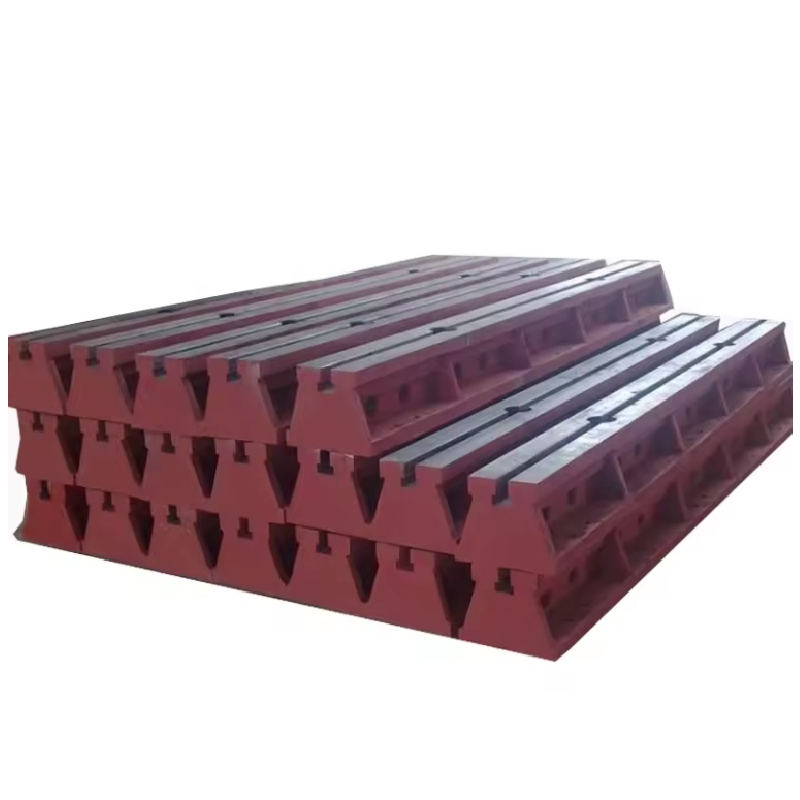
Valvola a saracinesca elettrica a tenuta morbida
La scelta e l'utilizzo corretti di una valvola a saracinesca da 150 mm sono fondamentali in numerose
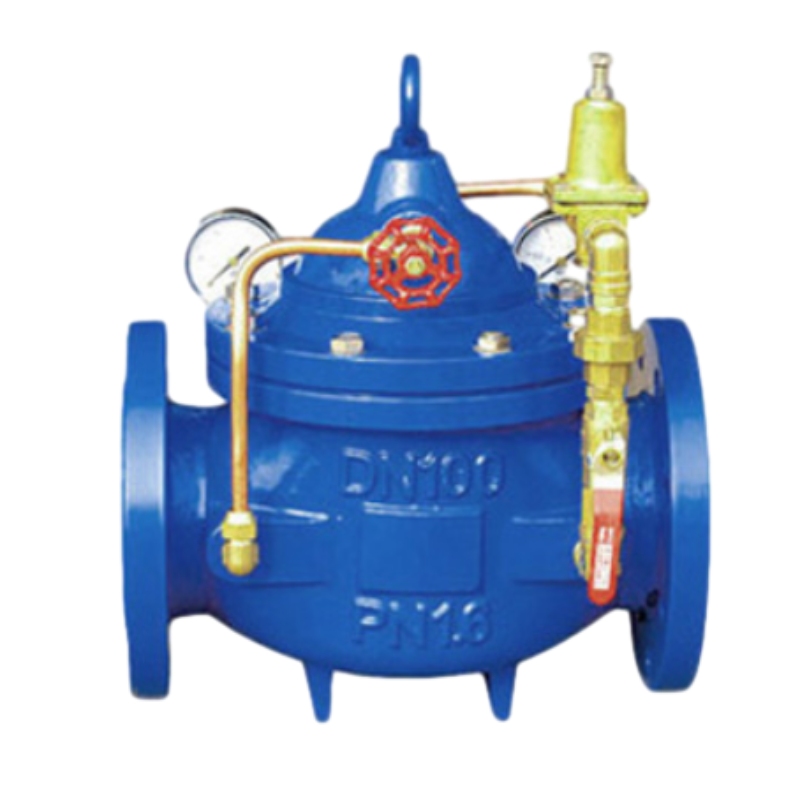
welding tables should be made of
The Importance of Welding Tables Material Considerations Welding is an essential process in various

Y Type Strainer Featuring Convenient Drain Valve for Efficient Fluid Filtration
Understanding Y-Type Strainers with Drain Valves In industrial settings, efficient fluid management
 English